Foundation Repair Solutions for Slab, Crawl Space, and Basement Homes
Foundation Repair 101: Useful Overview to Services and Techniques
Foundation concerns can substantially impact a home's architectural integrity. Understanding the typical reasons, such as dirt movement and moisture direct exposure, is vital for home owners. Different repair work methods exist, ranging from standard strategies to contemporary developments. Not all solutions are appropriate for every situation. A professional analysis is typically needed to figure out the ideal course of activity and to handle expenses properly. What steps should home owners require to guarantee they make informed choices?
Comprehending Foundation Issues: Typical Causes and Signs
Foundation problems can provide significant obstacles for house owners, often bring about costly repair work if left unaddressed. These issues frequently occur from various variables, consisting of dirt settlement, extreme wetness, and poor drainage. Dirt motion can occur due to development and contraction, especially in clay-rich areas, creating splits in the structure. Additionally, hefty rains or pipes leaks can fill the ground, causing hydrostatic pressure that pushes versus the foundation walls. House owners might notice signs and symptoms such as uneven floors, splits in ceilings or wall surfaces, and doors or home windows that stick. These signs commonly suggest underlying structure distress, which, if neglected, can escalate right into extra severe architectural damage. Routine inspections and keeping an eye on for these signs and symptoms can aid homeowners determine structure problems early, possibly saving considerable expenditures and protecting the integrity of their homes in the future.
Traditional Foundation Repair Methods: An Introduction
Many conventional methods exist for repairing foundation concerns, each made to address details kinds of damages and underlying reasons. One common technique is underpinning, which entails expanding the structure's reach to deeper soil layers for much better support. This strategy is especially valuable for homes experiencing resolving or moving structures. One more common approach is mudjacking, where a mixture of materials is infused under the foundation to lift and support it. This process is reliable for dealing with sinking concrete slabs. In addition, wall surface supports can be utilized to remedy bowing wall surfaces, giving side assistance and preventing additional movement. An additional technique, called piering, makes use of steel or concrete piers driven deep right into the ground to supply steady support for the structure. These typical techniques have shown efficient with time, using dependable options for property owners facing structure difficulties while making certain the durability and stability of their properties.
Modern Techniques for Foundation Stablizing
The Value of Specialist Evaluation and Examination
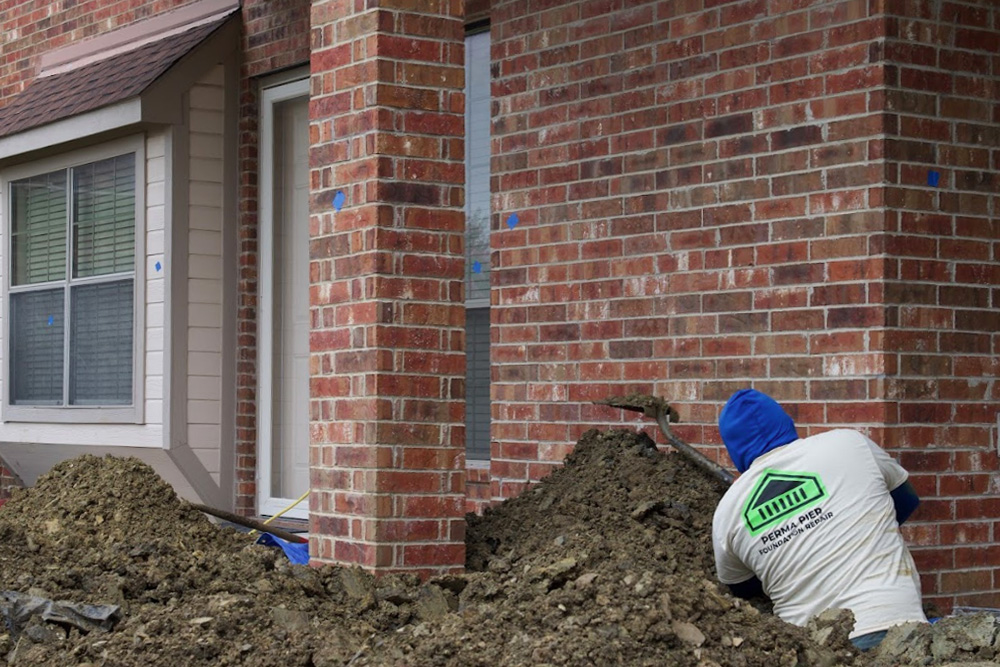
A thorough expert evaluation and inspection play an essential role in identifying potential structure concerns before they intensify into major issues (foundation repair). Professionals utilize specialized strategies and tools to take a look at the structure, identifying indications of distress such as cracks, irregular settling, or moisture intrusion. This extensive analysis assurances that underlying problems are spotted early, permitting timely treatment
Foundation experts possess the experience and expertise required to differentiate in between minor concerns and substantial architectural risks. They can assess the dirt conditions, drainage systems, and ecological aspects that may add to structure instability. Furthermore, a professional assessment supplies home owners with an in-depth report, laying out preventative steps and necessary repair services.
Spending in a specialist evaluation not only boosts the durability of a home's structure however also gives satisfaction for property owners. By dealing with foundation problems promptly, property owners can avoid costly repairs and keep the stability of their home.
Expense Factors and Budgeting for Foundation Repair
What affects the price of foundation repair? Numerous variables play a crucial duty in figuring out the total expenditure associated with foundation repair services. The degree of damages greatly influences costs; minor cracks might require easy securing, while serious architectural problems demand substantial work. Second, the type of foundation-- whether slab, crawl area, or basement-- affects repair work methods and products required. Third, geographical area influences rates; areas with higher labor prices or details soil problems might see raised expenses.
In addition, the option of repair service approaches, such as piering, slab jacking, or wall supports, can vary in price. Homeowners must also think about potential covert prices, consisting of assessments and licenses, which might arise throughout the fixing process. Developing a budget plan needs mindful consideration of these elements, together with obtaining several quotes from reliable professionals, making sure that the economic plan straightens with the required repair work for maintaining the home's stability.
Often Asked Questions
Just How Can I Stop Foundation Problems in the Future?
To protect against future foundation issues, regular upkeep of drain systems, monitoring soil dampness levels, and ensuring proper landscaping can be effective. Additionally, resolving any type of splits or leaks without delay aids preserve structural integrity and stability.
What Guarantees Are Commonly Used for Foundation Repair Works?
Generally, foundation fixings come with guarantees ranging from one to ten years, covering craftsmanship and products. Some companies use transferable guarantees, which can enhance residential or commercial property value for future proprietors, making sure recurring protection against potential problems.
For how long Does a Foundation Repair Project Generally Take?
Typically, a structure repair work task can take anywhere from a few days to numerous weeks, relying on the extent of the damages, the methods used, and the weather impacting the work.
Can I Live in My Home Throughout Foundation Services?
Yes, homeowners can frequently stay in their homes during structure repair services, depending on the extent of the job. foundation repair. It is recommended to seek advice from with the repair service experts to guarantee safety and security and minimize interruptions.
What Should I Do if I Notification New Cracks After Fixes?
If new fractures appear after repairs, the property owner should seek advice from the foundation fixing contractor promptly. A specialist assessment is needed to establish the reason and whether more treatment is needed to ensure structural honesty.
Foundation troubles can provide considerable obstacles for home owners, commonly leading to costly repair services if left unaddressed. access resource Many conventional approaches exist for repairing structure issues, each created to deal with details types of damages and underlying reasons. Second, the type of structure-- whether slab, crawl room, or cellar-- impacts repair work strategies and materials needed. Yes, house owners can frequently remain in their homes throughout foundation repair work, depending on the degree of the job. If new cracks show up after fixings, the home owner should get in touch with the foundation repair work service provider quickly.